
Is a Three-Day Cruise Worth It for a First-Time Getaway?
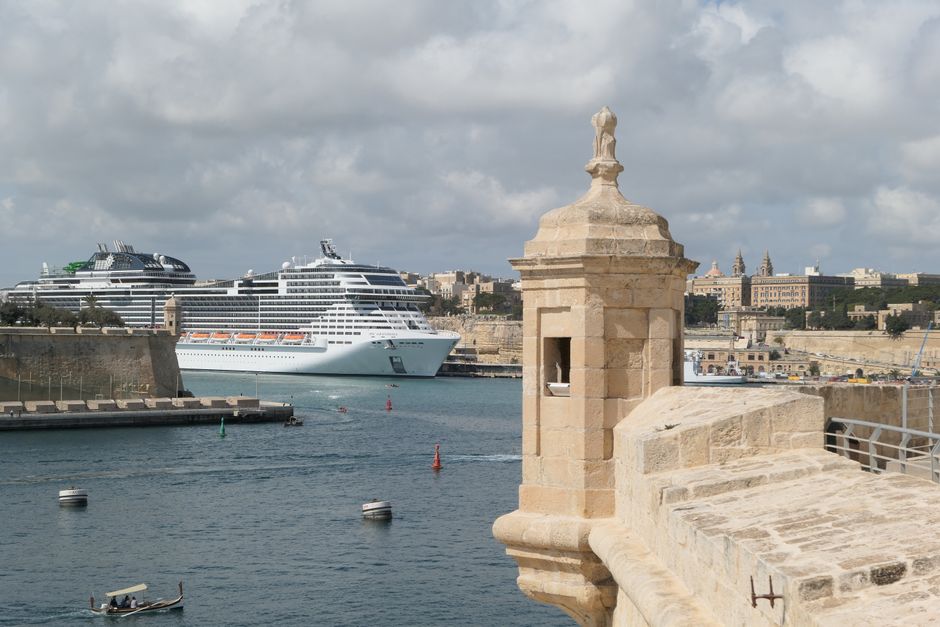
Yes, a three-day cruise can be enough for a first-time getaway if you want a contained break, not a deep destination trip. Expect one port day, one sea day, and partial embarkation and return days. Its value depends less on the advertised fare than on whether you budget for gratuities, transportation, drinks, Wi-Fi, excursions, and insurance before booking.
Is a three-day cruise long enough to enjoy myself?
Yes, for the right goal: a three-day cruise is long enough to sample cruise life and reset your routine, but it is too short to treat as an intensive destination vacation.
The useful mental model is the two-full-day test. A published Royal Caribbean itinerary from Los Angeles leaves at 4:00 p.m. on Day 1, visits Ensenada from 8:00 a.m. to 5:00 p.m. on Day 2, spends Day 3 at sea, and returns at 7:00 a.m. on Day 4. Carnival's listed three-day Bahamas itinerary follows the same broad shape: embarkation, Nassau, a sea day, then return. You are buying a compact ship experience with one destination stop, not three full days ashore.
That is a good fit when the decision is simple: “Can we take a short break without using a full week?” It is a weaker fit if your main priority is seeing several places, lingering in a port, or having slack in the schedule. Busy adults who are working around limited time off may also benefit from thinking through how to create schedule flexibility before they book; this guide on finding flexible work without age bias offers a practical starting point for that broader constraint.
First-time travelers also get a lower-commitment trial run. You can learn whether you like fixed dining windows, a cabin-centered trip, ship activities, and a port-day timetable without committing to a longer sailing. The move is to define success before you board: “We want one relaxed port day and one full ship day.” That expectation prevents the common mistake of demanding a week-long itinerary from a long weekend.
What can you realistically do on a 3-night cruise?
You can realistically board, settle in, take one port call, use a sea day for the ship, and disembark; you cannot count on three complete vacation days.
| Trip stage | What the published itinerary shows | Best use of the time |
|---|---|---|
| Day 1: embarkation | Royal Caribbean's example departs Los Angeles at 4:00 p.m. | Check in, find your cabin, review the ship schedule, and choose one evening activity. |
| Day 2: port day | Ensenada is listed from 8:00 a.m. to 5:00 p.m.; Carnival's example lists Nassau on Day 2. | Choose one priority: a shore excursion, independent sightseeing, or a short beach-focused day. |
| Day 3: sea day | Both example formats include a sea day. | Use included entertainment, pools, fitness facilities, dining, or simply rest. |
| Day 4: return | Royal Caribbean's example returns at 7:00 a.m. | Plan disembarkation and onward transportation, not another activity block. |
Use a one-anchor rule for each day. On embarkation day, the anchor might be boarding without stress. On the port day, it is one outing. On the sea day, it is one reservation or show. Everything else is optional. This lowers decision fatigue and keeps the trip from becoming a three-day attempt to consume every amenity.
Included items matter here. Carnival lists the stateroom, production shows, live entertainment, fitness center, pools, youth programs, and a range of dining options among included items. It also lists standard beverages in specified venues, including non-bottled water, lemonade, iced tea, hot chocolate, and non-specialty coffee and tea. Royal Caribbean similarly identifies water, coffee, juice, tea, many dining options, and onboard entertainment as included on its cited itinerary.
Build your plan around those inclusions first. Then decide whether a paid item solves a real problem. Wi-Fi, beverage packages, specialty dining, excursions, photos, laundry, and medical services are examples Carnival identifies as outside the standard cruise price. Royal Caribbean also identifies Wi-Fi, beverage packages, and specialty dining as additional-cost choices. The strong booking question is not “What can we add?” It is “What would make this short trip meaningfully better?”
Are short cruises more expensive per day than longer cruises?
Short cruises can be more expensive per day once fixed costs are included, but the supplied sources do not provide a seven-night fare, so they cannot prove a three-night versus seven-night price comparison.
What the sources do establish is the arithmetic for one short-cruise example. Carnival lists an average starting price of $317 per person for two people sharing a room on the displayed three-day Bahamas sailing. Divided across three nights, that is about $105.67 per person per night for the cruise fare alone. That is a starting point, not a trip total.
| Cost item | What the source establishes | What to do before booking |
|---|---|---|
| Cruise fare | Carnival's displayed example starts at $317 per person, or about $105.67 per night across three nights. | Use the fare as the base, not the final comparison number. |
| Gratuities | Royal Caribbean publishes $18.50 per guest per day for non-suite staterooms when not prepaid, or $55.50 over three nights. | Add the full three-night amount to every non-suite guest's budget. |
| Extras | Both cruise lines identify options such as Wi-Fi, drinks or beverage packages, specialty dining, and other purchases outside the basic fare. | Mark each extra as required, useful, or skip. |
| Getting to the ship | Carnival lists ground transportation, air transportation, and hotel packages as optional purchases rather than standard fare inclusions. | Price travel, parking, and any pre-cruise lodging separately. |
This is the fixed-cost squeeze: costs such as getting to the port, parking, and some trip preparation do not become smaller because you sail fewer nights. A shorter trip has fewer nights over which to spread them. That does not make it poor value. It means the right comparison is total out-of-pocket cost against the amount of time and convenience you receive.
Write the comparison as a simple script: “Cabin fare plus gratuities plus transportation plus planned extras equals our trip total.” Then divide by the number of nights only after the total is complete. Do not force a seven-night comparison if you do not have a real seven-night quote. Price the exact sailings you would actually take.
Health planning belongs in that same pre-booking pass. The Centers for Disease Control and Prevention says onboard clinician examinations, tests, and medications are typically not included in the cruise fare and advises travelers to consider coverage for overseas health care and medical evacuation. The CDC also notes that more than 90% of confirmed-cause cruise-ship gastrointestinal-illness outbreaks are due to norovirus. Check your health needs against the ship and itinerary before treating insurance as an afterthought.
The U.S. Department of State also advises cruise passengers to carry a passport even if the itinerary does not require one, because a changed port or medical evacuation could require it. It recommends checking what medical services the ship can provide and notes that Medicare and Medicaid do not cover medical costs outside the United States.
The practical conclusion is direct. Choose a three-day cruise when you want a short, structured break and are willing to pay for convenience. Skip it when your standard for value is maximum destination time per dollar. Before booking this week, run the one-anchor rule for each day and write one all-in budget line for every traveler. If that number still feels worthwhile, the short cruise has done its job.
Frequently Asked Questions
Is a 3-day cruise a good choice for first-time cruisers?
Yes, it is a good choice if you want a low-commitment way to test the cruise format. You will have enough time to learn the ship, try included dining and entertainment, and experience a port call, but not enough time for a destination-heavy vacation. Treat it as a ship-and-getaway trip, then decide whether a longer sailing suits you.
Do I need travel insurance for a weekend cruise?
The CDC and U.S. Department of State advise travelers to check their coverage and consider medical and emergency-evacuation insurance for cruise travel. Onboard medical care is typically not included in the fare, and Medicare and Medicaid do not cover medical costs outside the United States. Review your existing policy before buying anything so you know what is and is not covered.
How early should I arrive at the cruise port for a short cruise?
Royal Caribbean advises arriving at least two to three hours before a 4:00 p.m. departure to allow for check-in and boarding. A short sailing gives you fewer onboard hours, so missing the ship is especially costly. Build your travel plan around the cruise line's check-in instruction for your specific sailing.
Sources
- Centers for Disease Control and Prevention: Cruise Ship Travel
- U.S. Department of State: Cruise Ship Passengers
- Royal Caribbean: 3-Night Ensenada Itinerary
- Royal Caribbean: Onboard Service Gratuities
- Carnival Cruise Line: What's Included in Your Cruise
- Carnival Cruise Line: 3-Day Bahamas Cruise Itinerary